

magine a world where digital and physical realities merge seamlessly—the metaverse. No longer science fiction, it is emerging as a transformative force set to reshape how we work, connect, learn, and experience entertainment. With a multi-billion-dollar market on the horizon, this guide explores its core components, opportunities, and limitless potential for professionals and everyday users alike.
The metaverse is best described as a persistent, shared, 3D virtual world (or collection of worlds) that is interactive, immersive, and collaborative.
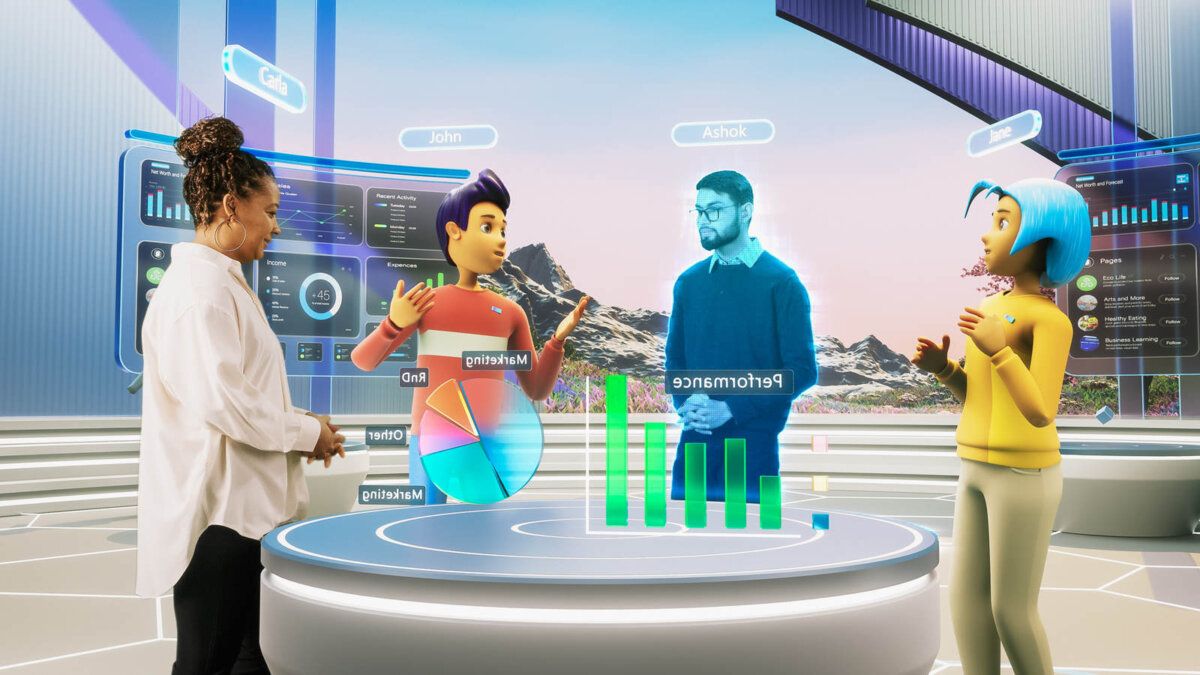
- Instead of just browsing websites, you’re actually inside the content.
- Users interact with each other and digital objects through avatars, creating presence and community.
- It’s not a single platform but a constellation of interconnected environments, each with unique experiences and economies.
As technology advances, the metaverse is set to become a ubiquitous part of daily life, fundamentally altering how we connect and interact.
Exploring the Different Kinds of Metaverse Platforms
1. Gaming Metaverses
- Deliver immersive adventures.
- Users create avatars, explore worlds, and earn assets.
- Examples: Fortnite, Roblox.
2. Social Metaverses
- Spaces for interaction and global connection.
- Example: VRChat.
- Support events, creativity, and communities.
3. Business Metaverses
- Enable virtual offices, collaboration, and professional gatherings.
- Empower remote workforces with productivity and innovation.
4. Educational Metaverses
- Transform classrooms into interactive simulations and virtual campuses.
- Offer hands-on learning beyond textbooks.
5. Creative Metaverses
- Allow building of virtual cities, assets, and art.
- Promote architecture, design, and immersive innovation.
6. Secure Metaverses
- Prioritize data protection, identity safety, and digital security.
- Essential as risks grow with metaverse expansion.
Key Features That Make Metaverse Platforms Stand Out
- Avatar Customization – Personalize identity and style.
- Virtual Land Ownership – Buy, sell, and build with NFT-based security.
- Decentralization – Blockchain ensures transparency and asset control.
- Interoperability – Transfer avatars/assets across platforms.
- Immersive Experiences – Rich 3D worlds for gaming, collaboration, and events.
- Educational Integration – Simulations and virtual classrooms enhance learning.
- Security Measures – Protect users from fraud, scams, and identity theft.
Why the Metaverse is a Game-Changer for Various Industries
- Education – Virtual classrooms, interactive modules, real-world simulations.
- Business – Virtual offices, global networking, remote team collaboration.
- Entertainment – Virtual concerts, festivals, and social events.
- Retail & Shopping – 3D product exploration and virtual stores.
- Innovation – Digital avatars, creative spaces, and collaborative design.
Expert Tips for Choosing the Right Metaverse Platform
- Identify Your Goals – Socialize, learn, play, or build?
- Check the Community – Look for active, like-minded users.
- Evaluate Features – Avatar customization, land ownership, immersive tools.
- Assess Security – Prioritize platforms with strong protection.
- Research Roadmaps – Choose future-proof platforms with clear innovation plans.
- Try Different Platforms – Experiment to find your best fit.
Top-Rated Providers in the Metaverse Industry
- Meta (Horizon Worlds): Social metaverse for connecting, events, and creativity.
- Sandbox: Gaming-focused, supports user-created worlds and monetization.
- Microsoft: Business-focused, integrates with productivity tools for collaboration.
The Latest Metaverse Trends to Watch Closely
- AI-Powered Avatars & Interactions – Smarter, lifelike expressions and assistants.
- Digital Fashion & Wearables – NFT-based clothing for avatars.
- Virtual Commerce & Branded Spaces – Immersive shopping and marketing.
- Cross-Platform Interoperability – Asset and avatar portability across platforms.
Final Thoughts
The metaverse is reshaping how we interact with technology, people, and industries. While still evolving, it holds immense potential to transform:
- Education – through experiential learning.
- Business – via collaboration and virtual offices.
- Entertainment – with immersive events and creativity.
By staying updated on emerging trends, security, and platform features, users and professionals alike can unlock vast opportunities and thrive in this new digital frontier.